


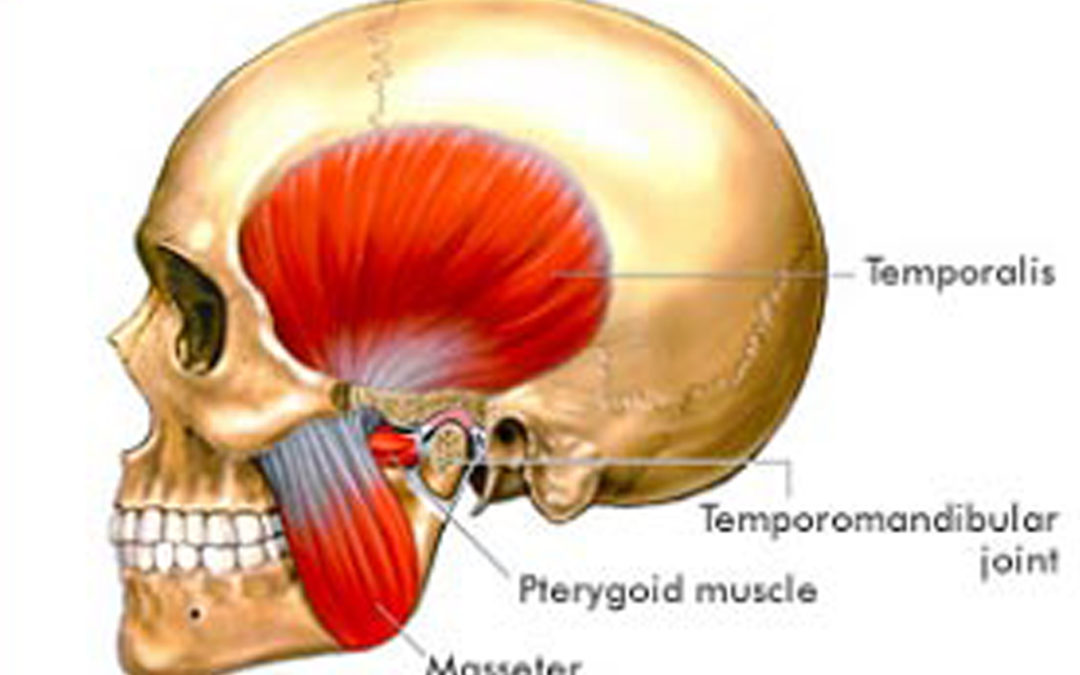
Temporomandibular joint (TMJ) disorders can significantly impact daily life, affecting the way you chew, speak, and position your jaw. Recognizing the symptoms of TMJ early is beneficial for managing discomfort and preventing potential complications. Here are some symptoms to watch for that may indicate an issue with your temporomandibular joints.
Jaw Pain and Stiffness
One of the most common signs of TMJ disorders is jaw pain or stiffness. This discomfort is usually felt around the area where the jaw connects to the skull, just in front of the ears. The pain may intensify when you chew, speak, or open your mouth wide.
Stiffness in the jaw can limit your ability to move it fully, making routine activities such as eating or yawning challenging. For some, the jaw may even become “locked” in an open or closed position, temporarily immobilizing movement. Persistent or recurring jaw pain should never be ignored, as it could indicate underlying joint dysfunction.
Clicking or Popping Sounds
Another telltale symptom of TMJ issues is the presence of clicking or popping sounds when you open or close your jaw. These noises typically occur during actions like chewing, talking, or yawning and may or may not be accompanied by pain. The sounds are often the result of joint misalignment or disc displacement within the TMJ. While occasional clicking might not indicate a major problem, frequent or loud noises could suggest that the joint is under strain. Monitoring how often these sounds occur, and whether they’re associated with discomfort, helps identify TMJ problems.
Facial Muscle Tension
TMJ disorders don’t just affect the joints; they can also cause tension in surrounding facial muscles. This tension often manifests as tightness or an aching sensation in the cheeks, temples, or along the jawline. For some, the strain extends down the neck, shoulders, or upper back, creating additional discomfort.
Muscle tension is sometimes associated with habits such as clenching or grinding your teeth, particularly at night. Over time, the constant strain wears on the muscles and joints, exacerbating TMJ-related issues. If you notice recurring tension in these areas, it could be a sign that your TMJ isn’t functioning as it should.
Headaches and Earaches
TMJ disorders are also known to trigger headaches or earaches that can be mistaken for unrelated conditions. Tension from the jaw can radiate upward, causing headaches around the temples, forehead, or back of the head. Similarly, pain in or around the ears is not uncommon and is often described as a deep or sharp ache. While this may feel similar to an ear infection, it is likely related to stress on the temporomandibular joint. If these symptoms consistently occur alongside jaw discomfort, they may indicate a TMJ issue rather than another cause.
Seek TMJ Treatment Early
When TMJ disorders are left unaddressed, the symptoms can worsen over time, impacting daily activities and quality of life. Recognizing these symptoms early makes it easier to seek appropriate care and minimize long-term discomfort. If you suspect that you’re experiencing TMJ-related symptoms, consult with a healthcare professional who specializes in jaw and joint conditions. They can help identify the root cause and recommend tailored solutions to alleviate your symptoms and restore proper joint function. Don’t wait, take the first step towards relief today.
