


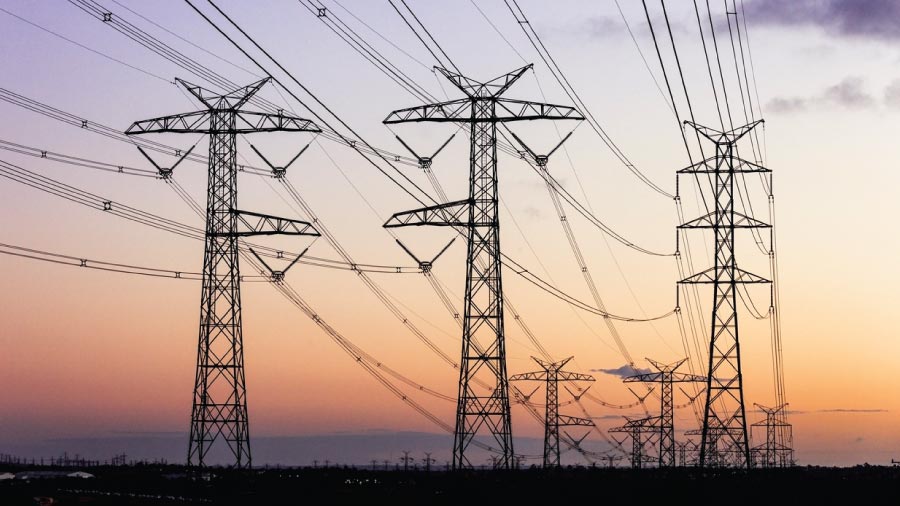
Power poles are reliable structures in any electric grid, forming the foundation of energy distribution. They support uninterrupted power delivery, particularly during storms, equipment overloads, or unforeseen demand surges. Each aspect of the pole, including material selection and engineering design, influences its performance and long-term durability. Here are a few factors that make a power pole reliable:
High-Strength Certified Materials
Quality power poles begin with the use of high-strength materials that meet structural requirements. These materials include high-end steel, such as rolled plate and coil, which satisfy strict testing certifications. The right materials make sure that the power poles do not fail prematurely due to storms, earthquakes, and environmental factors. Consistent material quality may also reduce defects and extend the pole’s lifespan under high-tension stress.
Certified materials facilitate compliance with engineering codes and safety requirements. This can lead to minimized delays during the approval and installation of utility infrastructure. High-grade material designs are dependable in remote, windy, or mountainous areas. Material reliability helps form the structural basis for grid performance and long-term, sustainable power delivery.
Corrosion Protection Systems
Corrosion protection can extend the service life of poles used in high-moisture or salt-prone regions. Coating techniques such as galvanizing, powder coating, and specialized paint coatings protect metal from oxidation and corrosive chemicals. Without treatment, buried pole portions can be compromised by corrosion in wet soil. Rust- and oxidation-resistant protective coatings, such as multi-layer systems, help safeguard poles over time.
In desert or cold weather, seasonal moisture or road salt can cause deterioration without proper protection. Below-grade segments may be fitted with additional sleeves or wraps to prevent soil-based degradation. Durable coatings help reduce the need for inspections or field repairs, which can require extensive resources to perform. Effective protection preserves the integrity of the poles and contributes to the long-term stability of the grid.
Concrete and Hybrid Pole Structures
Concrete and hybrid poles offer structural reliability in regions prone to fire hazards, intense sunlight, or biological threats. Unlike timber structures, concrete poles resist termite damage, woodpecker attacks, and fungal decay. Their thickness and fireproof nature make them well-suited for wildfire-prone areas or landscapes with dense brush.
Hybrid designs combine concrete below ground with lightweight materials above to reduce overall weight and enhance stability. These poles are less susceptible to warping, splitting, or twisting due to temperature or moisture fluctuations. They can also perform well in flood-prone areas or along highways treated with corrosive snow chemicals. Hybrid options give engineers enhanced flexibility across varying terrain, elevations, and structural loads. Their long service life may result in fewer replacements, supporting long-term power grid stability.
Custom-Engineered Pole Designs
For maximum reliability, power poles should be designed to match specific loads, environmental conditions, and installation constraints. Custom engineering makes sure each pole performs in expected wind and ice conditions without compromise. It also confirms the ability to withstand seismic loads.
Design elements such as height, taper, and wall thickness are tailored to improve performance across different terrains. National codes and safety standards, including load testing and wind analysis, may be incorporated by engineers. Customization also supports special applications like river crossings, rail corridors, or urban downtown settings.
Compliance helps reduce liability, and it allows for smooth integration with substations, transformers, and crossarms. Proper design alignment can minimize vibration and tilt. It also affects conductor swing, particularly under heavy system loads. Structures built to precise specifications can perform more consistently and with a lower chance of suffering damage. Properly engineered poles enhance operational assurance and promote continuity across the power network.
Select Durable Power Poles
Power poles help protect energy systems and are built to withstand environmental, mechanical, and time-related stresses. They combine sound design with quality materials and protective systems. Well-constructed poles support the safe transmission of energy over long distances and through diverse weather conditions. Features such as hybrid bases and carefully designed measurements make poles versatile and durable in rugged terrain. Choose dependable poles to safeguard your energy future and enable enduring grid resilience.
