


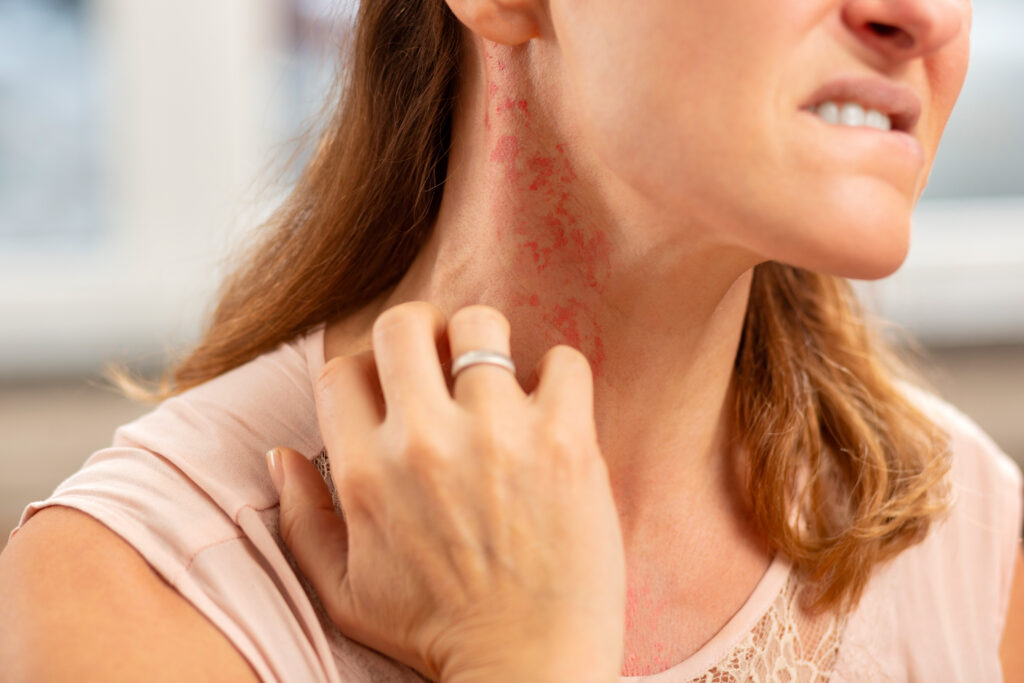
Your skin, the body’s largest organ, often reflects your overall health. While rashes may seem like minor irritations, they can sometimes indicate underlying conditions that need medical attention. Recognizing the link between skin symptoms and internal health helps you decide when to seek care. Specialists at facilities like an allergy center can provide proper evaluation and diagnosis for skin-related concerns.
Common Rashes
Skin rashes can take many forms. An allergy center can help identify the underlying causes. Contact dermatitis shows up as red, itchy patches caused by exposure to irritating substances. Eczema often appears as dry, scaly areas that may crack or weep. Hives, on the other hand, create raised, circular welts that can come and go quickly.
These visible symptoms may connect to various internal processes. Autoimmune conditions can trigger skin manifestations as the immune system responds inappropriately to certain stimuli. Hormonal fluctuations during pregnancy, menopause, or thyroid disorders may also contribute to skin changes. Additionally, certain medications can cause skin reactions as side effects.
Allergic Reactions
Allergic responses often appear as skin symptoms like hives, swelling, or widespread rashes, usually within minutes to hours after exposure. Environmental allergens such as pollen, dust mites, or pet dander can cause eczema or contact dermatitis in sensitive individuals. Seasonal patterns may reveal triggers, like spring rashes from tree pollen or late-summer symptoms from ragweed. Indoor allergens like dust mites or pet dander can lead to year-round issues, especially in winter when homes are sealed.
Professional allergy testing is a reliable way to identify specific triggers when allergic rashes are suspected. Allergy centers offer various testing methods, including skin prick tests, patch tests, and blood work, to pinpoint problematic substances. Recognizing these triggers can help individuals manage their symptoms more effectively. Consulting a specialist can lead to proper treatment and prevention, improving quality of life for those affected.
Systemic Conditions
Skin changes can often signal underlying health issues, making it a valuable diagnostic tool. Here are some common connections:
- Diabetes: Can cause darkened skin patches (acanthosis nigricans), slow-healing wounds, or higher risk of fungal infections.
- Liver diseases: May lead to jaundice (yellowing of the skin) or persistent itching, often without a visible rash.
- Kidney problems: Linked to chronic itching and noticeable skin discoloration.
- Heart conditions: Poor circulation can cause discoloration or slow wound healing.
- Autoimmune or inflammatory diseases: Conditions like celiac disease, Crohn’s disease, or ulcerative colitis can trigger skin reactions like dermatitis herpetiformis—a blistering rash commonly seen on the elbows, knees, or buttocks.
Paying attention to skin changes can provide valuable clues about your overall health.
Professional Evaluation
Certain rash characteristics require prompt medical attention. If a rash occurs with fever, difficulty breathing, or swelling of the face, lips, or throat, seek emergency care immediately, as these symptoms may indicate a severe allergic reaction or a serious infection. Rashes that persist for more than two weeks without improvement from over-the-counter treatments should be evaluated by a professional. Spreading rashes, those that form blisters, or rashes that become increasingly painful may signal an underlying condition requiring medical assessment. Any changes in moles or existing skin lesions should be examined by a healthcare provider.
Visit an Allergy Center
Monitoring your skin and noting rashes, triggers, and treatments can support overall health awareness. This information helps healthcare providers identify underlying causes. Seeking a professional evaluation for persistent or concerning skin changes is a responsible form of self-care. Early diagnosis and treatment can prevent complications and improve well-being.
