


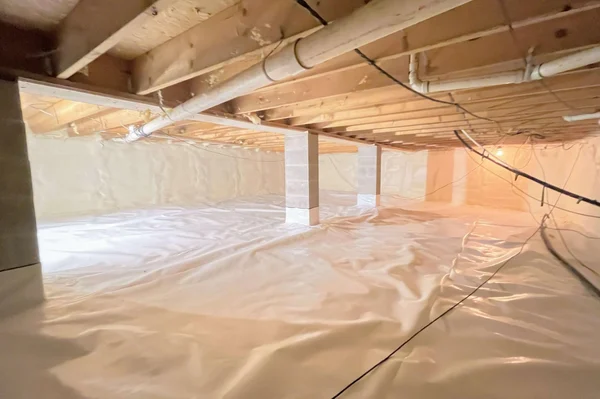
Michigan homeowners can face challenges when it comes to maintaining their homes during varying seasonal changes. One significant area that may influence a home’s health is the crawl space. Left untreated, this area often becomes an entry point for rodents, insects, and other pests. Crawl space repair is an effective way to safeguard your property from infestations, promoting structural integrity and better indoor conditions.
What Is a Crawl Space?
A crawl space is a hollow area under a building’s floor. Typically around three feet in height, it provides room for integral mechanical systems, such as wiring, plumbing, and HVAC ductwork. Crawl spaces are commonly found in areas where basements are impractical or unnecessary.
While they serve practical purposes, crawl spaces often face unique environmental challenges. Without proper sealing, these areas are prone to issues like moisture buildup, temperature fluctuations, and pest infestations. Unsealed crawl spaces can allow external elements to infiltrate, leading to potential problems for the home above.
How Can Pests Infiltrate Them?
Crawl spaces are particularly appealing to pests for several reasons. Their dark, enclosed environment can make an ideal nesting area, while the presence of moisture and organic debris provides both food and water sources. Some of the primary avenues through which pests access crawl spaces include the following:
- Exposed Openings: Unsealed crawl spaces often have gaps or cracks in the foundation or vents, providing easy entry for rodents, insects, and other critters.
- Moisture and Humidity: Michigan’s climate can result in moisture accumulation in unsealed or inadequately ventilated crawl spaces. Damp conditions create an attractive environment for pests like termites.
- Damaged Insulation or Vents: Worn insulation or broken vent screens can act as weak spots. Rodents may chew through insulation and ductwork, establishing nests within the crawl space itself.
The combination of these factors not only attracts unwanted pests but also exacerbates structural damage and indoor air quality concerns over time.
How Does Crawl Space Repair Address This?
Crawl space repair and sealing address these issues through targeted improvements. These aim to create a clean, dry, and well-insulated environment. Some of the most common methods include the following approaches:
- Closing Gaps and Cracks: Sealing visible entry points prevents rodents and insects from gaining access. Professionals use durable materials that block even the smallest gaps, safeguarding the space against persistent pests.
- Installing a Vapor Barrier: A vapor barrier is a thick, durable plastic sheet placed over the ground to prevent moisture from entering the crawl space. This significantly reduces the humidity levels, making the space less attractive to moisture-loving pests such as termites and wood-boring insects.
- Encapsulation: Encapsulation involves fully sealing the crawl space, including walls, floors, and vents. Using a combination of durable liners and sealants, encapsulation transforms the crawl space into a completely isolated, pest-proof zone.
- Improving Ventilation Systems: Repair teams may install specially designed vent systems or dehumidifiers to regulate airflow and control humidity levels effectively.
Each of these measures plays a role in preventing pests from accessing your crawl space while enhancing the overall health of your home.
Contract a Professional Repair Team
Professional crawl space repair and sealing offer long-term results and comprehensive protection. A qualified team has the expertise, tools, and materials to identify vulnerable areas, address existing issues, and implement preventive measures effectively. By investing in proactive crawl space maintenance, Michigan homeowners can protect their property from pest invasions, minimize the risk of structural damage, and create a healthier living environment.
