


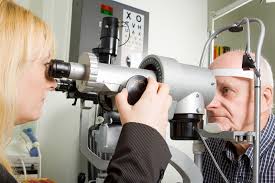
A consultation on cataract surgery allows you to obtain information about the procedure and discuss your expectations. Your surgeon will assess your eye condition, discuss surgical treatment, and assist you in making informed treatment decisions. Questions about surgical procedures, lens selection, and postoperative expectations need to be discussed in detail. Here are a few topics to discuss during your cataract surgery consultation:
Reviewing Pre-Surgery Health History
Before carrying out cataract surgery, your surgeon should have a thorough knowledge of your entire medical history. Health issues like diabetes, hypertension, or heart disease may have an effect during and post your surgery. Blood-thinning drugs such as aspirin might be temporarily stopped to reduce the risk of bleeding during surgery.
Eye drops may be discussed, as some influence the timing of surgery or its outcome. Past eye operations, including laser eye surgery (LASIK) or retinal treatment, should be given special attention. Any allergies to medications, such as antibiotics, should be recorded to avoid potential adverse reactions during treatment.
Your surgeon will provide you with specific pre-operative guidelines, including instructions on when to stop eating before the surgery. Transportation arrangements are necessary because you cannot drive right after the procedure due to temporary vision changes. Preparation at home, like sorting medicines and preparing a comfortable healing area, will help you to recover.
Selecting the Right Lens Type
Phacoemulsification is a modern method of cataract surgery that involves disintegrating the clouded lens using ultrasonic energy waves. The surgeon makes a tiny cut on your cornea and uses this hole to remove the broken lens pieces. There are several types of intraocular lenses, including monofocal, multifocal, and toric lenses, designed to meet varying vision requirements.
Monofocal lenses provide good vision at a single distance and may require the use of glasses for other activities, such as reading or driving. Multifocal lenses correct vision at different distances, which may help you become less dependent on corrective eyewear after surgery. Manufacturers design toric lenses to correct astigmatism and address the irregular corneal shape that causes blurred or distorted vision at long distances.
High-end lens options, such as extended depth of focus lenses, offer better intermediate vision when working on a computer. The most suitable lenses will depend on your lifestyle, including hobbies, work requirements, and personal preferences. The surgeon will then take measurements of your eye size and also explain the different types of lenses that may influence your vision.
Following Post-Surgery Healing Guidelines
Healing usually begins right after surgery, and patients may experience improvement in their vision within the first few days. You will be prescribed eye drops containing antibiotics and anti-inflammatory drugs to prevent infections and swelling. Activities that require heavy lifting, bending, or other strenuous exercises should be avoided immediately after surgery. Water activities, such as swimming, can also put you at risk of infection and should be avoided until your surgeon allows you to resume them. The majority of patients can resume light activities, such as office work, within a few days after surgery.
Driving restrictions are normally lifted when your surgeon determines that you have sufficient vision and healing during your follow-up examination. The follow-ups will be made at certain time intervals, such as the first day after surgery. Severe pain, sudden loss of vision, or excess discharge are warning signs that need professional medical attention as soon as possible.
Schedule Your Cataract Surgery
Discussing issues and prior planning, such as obtaining medical records and writing down questions, will help you better understand the procedure and streamline your appointment. Recovery planning, such as timeline expectations and post-operative care requirements, creates realistic expectations of your healing process. Book your cataract surgery consultation today.
